MWAC Commercial Sanitation
Brampton food safety and professional sanitation experts help you keep restaurants, food distribution centers, baking facilities, warehouses, and food service vehicles clean to code. They disinfect high-touch points, food-contact surfaces, equipment, floors, drains, restrooms, and food prep areas using certified sanitizers, correct dilution, and verified exposure periods. in maintaining restaurants, commissaries, baking operations, warehouses, and food service units in compliance. They sanitize frequently touched areas, food-contact surfaces, equipment, floors, drains, restrooms, and prep areas with approved chemicals, proper dilution, and recorded contact times.
Essential Summary
- Food safety cleaning experts from Brampton assist restaurants, grocery departments, commissaries, warehouses, bakeries, schools, mobile vendors, and allergen-sensitive operations.
- Sectional methods disinfect high-touch surfaces, food-contact equipment, kitchens, floors, drains, restrooms, and storage areas for eliminating cross-contamination.
- Recording of finishing through swabs, reviews, and remedial documentation confirms certified specialists have validated approved sanitizer dilution, compatibility, and exposure duration.
- Regular, weekly, and annual operations distributed by area form hygiene plans grounded on danger, production volume, transitions, incidents, and guidelines.
- Prioritize suppliers demonstrating hazard analysis knowledge, sanitation understanding, safety training training, insurance, testimonials, color-categorized instruments, and inspection-ready cleaning records.
Which Brampton Facilities Need Food Safety Cleaning?
You must adhere to food safety cleaning if your facility is falls under health department oversight, food standards, or HACCP requirements. This covers food venues, break rooms, food centers, supermarket areas, butcheries, seafood displays, shops, and commercial food prep.
You'll furthermore need compliant food safety cleaning in warehouses, food manufacturing plants, cold storage sites, retail bakeries, school nutrition programs, banquet halls, and meal delivery hubs. Seasonal and mobile ventures matter as well, like food trucks, festival vendors, and pop-up establishments. Should your workers work with ingredients, section ready-to-serve foods, heat meals, or keep allergens stored, your location requires documented cleaning protocols. In Brampton, hygiene stays required; it constitutes legal, operational, and consumer protection compliance.
What Services Do Brampton Cleaning Experts Provide?
You need professional cleaners who sanitize high-touch surfaces, kitchen areas, floor surfaces, and bathrooms to meet food safety and public health standards. They target these areas because they pose the greatest danger for contamination spread, slipping risks, and sanitation breaches.
Knowing their service areas allows you to confirm your operation's sanitation satisfies operational demands and regulatory compliance.
Critical High-Touch Surface Cleaning
set how frequently each area is disinfected
if findings fall below target ranges. Furthermore, they avoid secondary contamination by rotating cloths, implementing unidirectional procedures
Cooking Zones, Walking Surfaces, and Restroom Environments
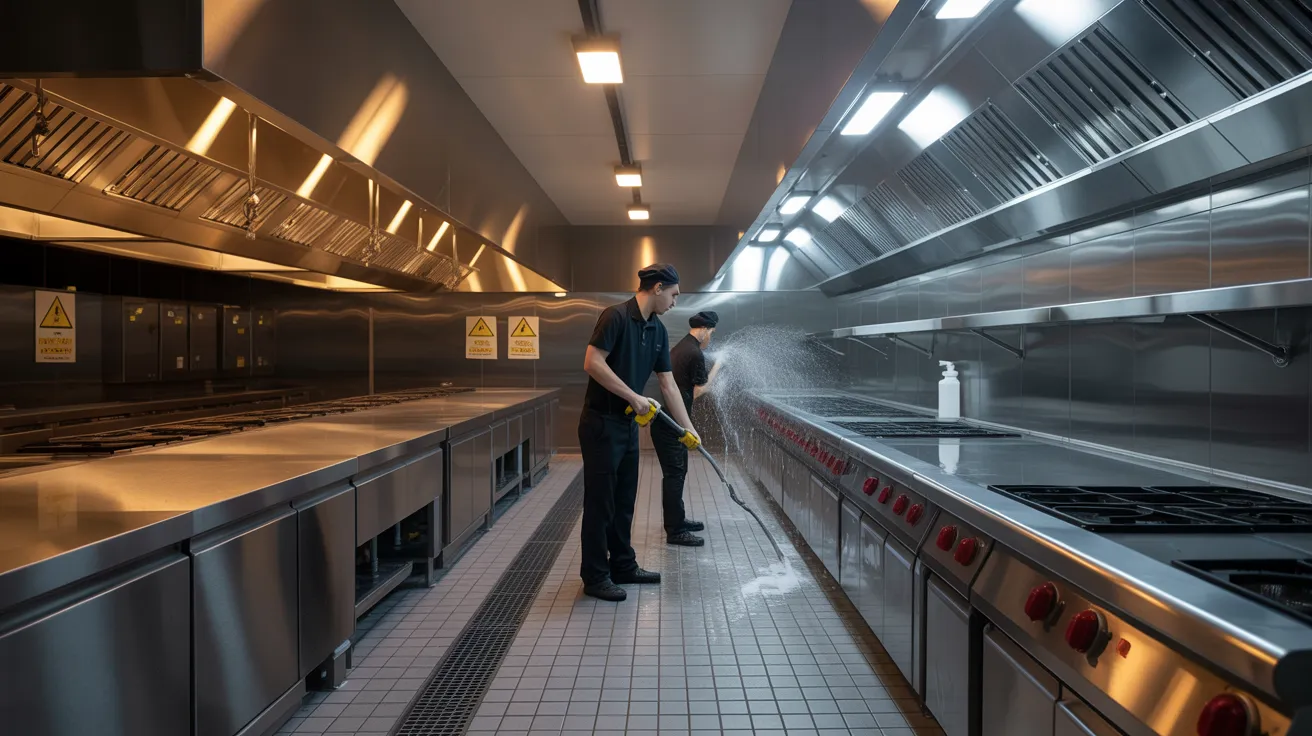
Professional cleaners in Brampton concentrate on kitchens, floors, and restrooms given that each location involves distinct contamination control, falling hazards, and health code requirements. In industrial kitchens, you need grease removal from cooking stations, appliance surfaces, drain systems, preparation areas, and backsplashes to reduce contamination and pest pressure.
Floor care that is recorded should equally be anticipated. Technicians clean and remove buildup from tile grout, ceramic surfaces, and vinyl floors, then apply suitable dehydration methods so you can limit falls and maintain code-compliant conditions. They also handle entryways where moisture and debris migrate indoors.
In restrooms, cleaners treat touchpoints, fixtures, partitions, dispensers, and waste containers then refill supplies and eliminate odor. They also maintain restaurant cleaning supply rooms where product storage, sink cleanliness, and drain systems impact daily sanitation standards and worker protection.
Why Food Safety Cleaning Matters in Brampton
Brampton businesses need to implement proper sanitation practices for satisfying legal standards and passing inspections. You also minimize cross-contamination by cleaning and sanitizing food-contact surfaces, equipment, and high-touch areas correctly. Most importantly, you safeguard public health by lowering the risk of foodborne illness in your facility.
Sanitary Standards Adherence
Since Brampton food companies must follow rigorous sanitary regulations, your food safety cleaning directly affects your capability to fulfill health codes, ensure the safety of diners, and sidestep regulatory penalties. You must maintain clean food preparation areas, written maintenance records, proper chemical use, and auditable operational standards that correspond to municipal and provincial inspection expectations.
Quality sanitation practices aids in managing allergens by minimizing buildup buildup on shared equipment and frequently touched surfaces.
Contamination Prevention
Meeting health code standards also depends on your ability to prevent cross-contamination during routine food preparation and sanitation. You must keep raw items away from prepared dishes, clean work areas after each use, and store chemicals away from food-contact items. Established guidelines minimize contamination chances and support consistent compliance during inspections.
You should establish allergen separation to keep priority allergens from contacting common work areas, storage bins, or tools. Use dedicated cutting boards, color-coded tools, and careful equipment identification so staff don't mix items throughout cooking or serving. Mandate washing hands following raw meat, seafood, eggs, or allergen-containing products. Replace wiping cloths regularly, and check disinfectant potency using test matching information kits. When you train staff to follow these controls every shift, you create a cleaner, safer operation that satisfies Brampton's safety standards daily.
Public Health Safeguarding
When food safety cleaning weaken, you don't only risk a failed inspection—you raise the likelihood of foodborne illness affecting customers, staff, and the larger Brampton community. You also undermine your responsibility in protecting public health, especially in busy food facilities where pathogens travel quickly through surfaces, equipment, and touchpoints.
You must establish sanitation protocols that remove contaminants, sanitize properly, and confirm effectiveness. This involves adhering to exposure times, employing authorized sanitizers, documenting procedures, and training employees to satisfy regulatory standards. These mechanisms support pathogen reduction by decreasing microbes before reaching food or hands. Across Brampton, strong cleaning protects at-risk populations, limits outbreak risk, and shows your diligence. When you follow standards, you exceed regulations—you meaningfully reduce risk and enable safer food service throughout the area.
In What Ways Does Cleaning Help Achieve Food Safety Compliance?
Maintaining thorough cleaning protocols supports food safety compliance by decreasing contamination threats, controlling pathogen growth, and keeping your facility meeting sanitation requirements under HACCP-based programs and public health regulations. You validate that food-handling surfaces appear visibly clean and microbiologically controlled, backing documented preventive controls and inspection readiness.
Cleaning strategies additionally bolster allergen prevention by removing residues that can lead to undeclared allergen exposure.
How Ought You Arrange Commercial Cleaning Services?
surfaces can collect contamination
Periodic tasks ought to be scheduled separately
What Should You Look For in Brampton Cleaning Experts?
Start by screening providers against food-safe sanitation requirements, not price alone. You should verify that each company understands CFIA, public health, and HACCP compliance standards relevant to your facility. Ask for proof of insurance, WHMIS compliance, documented staff training, and supervision practices. Review whether technicians understand cross-contamination risks, chemical handling, and traceable sanitation records.
Additionally, you need to evaluate service dependability and accountability. Obtain references from food facilities in Brampton, then review response times, corrective-action procedures, and communication standards. Verify the company supports supplier audits and can deliver compliance-ready records when inspectors or external parties need proof. Verify equipment is maintained, color-coded equipment are applied correctly, and site-specific hazards are identified. A capable service protects compliance, product integrity, and your reputation.
Which elements are part of a Food Safety Cleaning Plan?
Develop a written strategy that makes clear every sanitation responsibility, standard, and task prior to production start. You should outline cleaning schedules, authorized chemicals, concentration levels, contact duration, implements, and validation techniques for each location, surface, and apparatus. Include pre-operational inspections, corrective actions, and employee training requirements.
Your plan should also focus on contamination prevention controls, waste handling procedures, pest management measures, and written schedules for restrooms, drains, floors, and food-contact areas. Describe how you'll separate raw and ready-to-eat processes, facilitate ingredient tracking, and maintain accurate allergen labeling through validated cleaning between product changes. You should set accountability, maintain signed records, and review results against regulatory standards, HACCP controls, and customer requirements. When gaps appear, modify procedures immediately and retrain staff.
Commonly Requested Questions
Do cleaning services work during nighttime hours at Brampton properties?
If you operate controlled facilities, you'll also need documentation that enable audits and ensure quality assurance.
Do Brampton cleaning experts provide emergency spill response services?
Yes, you can find Brampton sanitation professionals to provide emergency spill response services. They manage hazardous materials, evaluate dangers, isolate affected areas, and begin swift cleanup to reduce exposure and business interruption. You should confirm their response times, training certifications, safety procedures, and disposal procedures. If your facility must comply with industry standards, choose a provider that records events, maintains regulatory procedures, and enables compliance verification.
Do eco-friendly disinfectants function safely on surfaces contacting food?
Absolutely, green disinfectants can be suitable for surfaces contacting food when you opt for products labeled food safe and meeting regulatory standards. You must validate contact times, dilution rates, and rinsing needs prior to application. Botanical formulations lower harsh chemical exposure, though you should gather demonstration of efficacy against target microorganisms. For ensuring residue-free conditions, adhere to manufacturer directions precisely and ensure your cleaning agent meets food sanitation requirements.
Can maintenance plans adapt with seasonal production changes?
Certainly, maintenance plans respond to seasonal production changes well. Modify intervals, staffing, sanitizers, and verification steps to match with production rhythms while sustaining compliance standards. Lower production interruptions through scheduling sanitization alongside equipment transitions, high demand periods, and usage cycles. Additionally modify standard operating procedures, instruction programs, and monitoring protocols to address temporary risks, additional allergens, or elevated soil levels. Periodic assessments ensure the plan functional.
Will professional cleaning services teach employees on hygiene best practices?
Indeed, commercial cleaning providers often offer employee coaching on proper hygiene. Your staff obtains instruction on safe chemical application, contact times, preventing cross-contamination, equipment disassembly, and record-keeping. They typically follow instruction with HACCP, GMP, and CFIA or local public health requirements. Many perform compliance inspections to verify compliance, reveal issues, and strengthen improvement measures. This assists you to establish reliable processes, achieve compliance, and decrease foodborne illness risks on a daily basis.
Final Thoughts
When you work with Brampton commercial cleaning and food safety specialists, you don't just tidy up—you maintain your facility audit-prepared and your protocols compliant. From kitchens to processing floors, every polished surface and maintained area minimizes pest intrusion and avoid expensive problems. By scheduling service at the proper frequency and following a clear cleaning plan, you safeguard staff, customers, and your reputation. In a strict regulatory setting, sanitary conditions are essential—they're fundamental to proper operations.